How to Choose an Enterprise IT Automation Platform That Scales

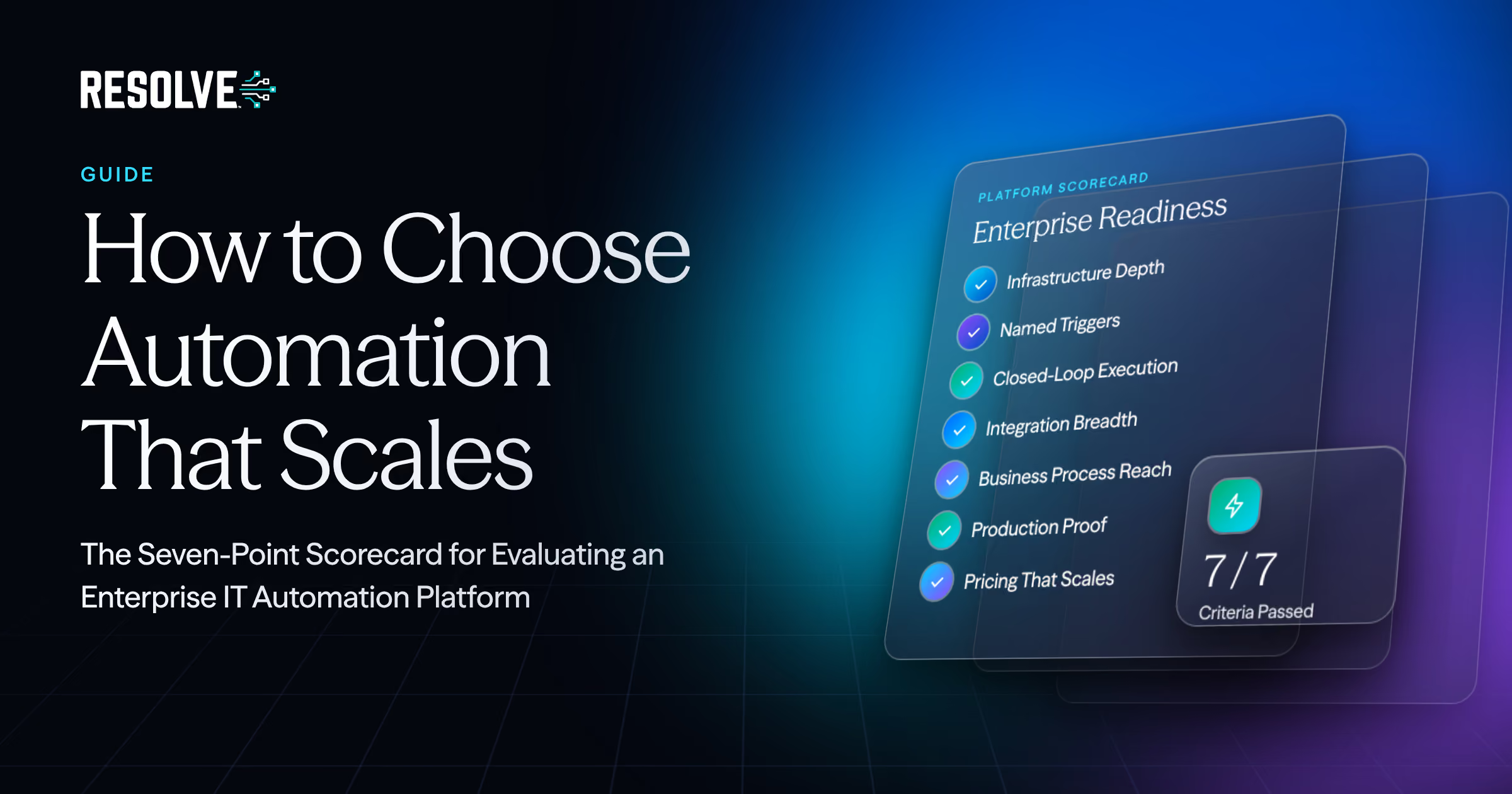
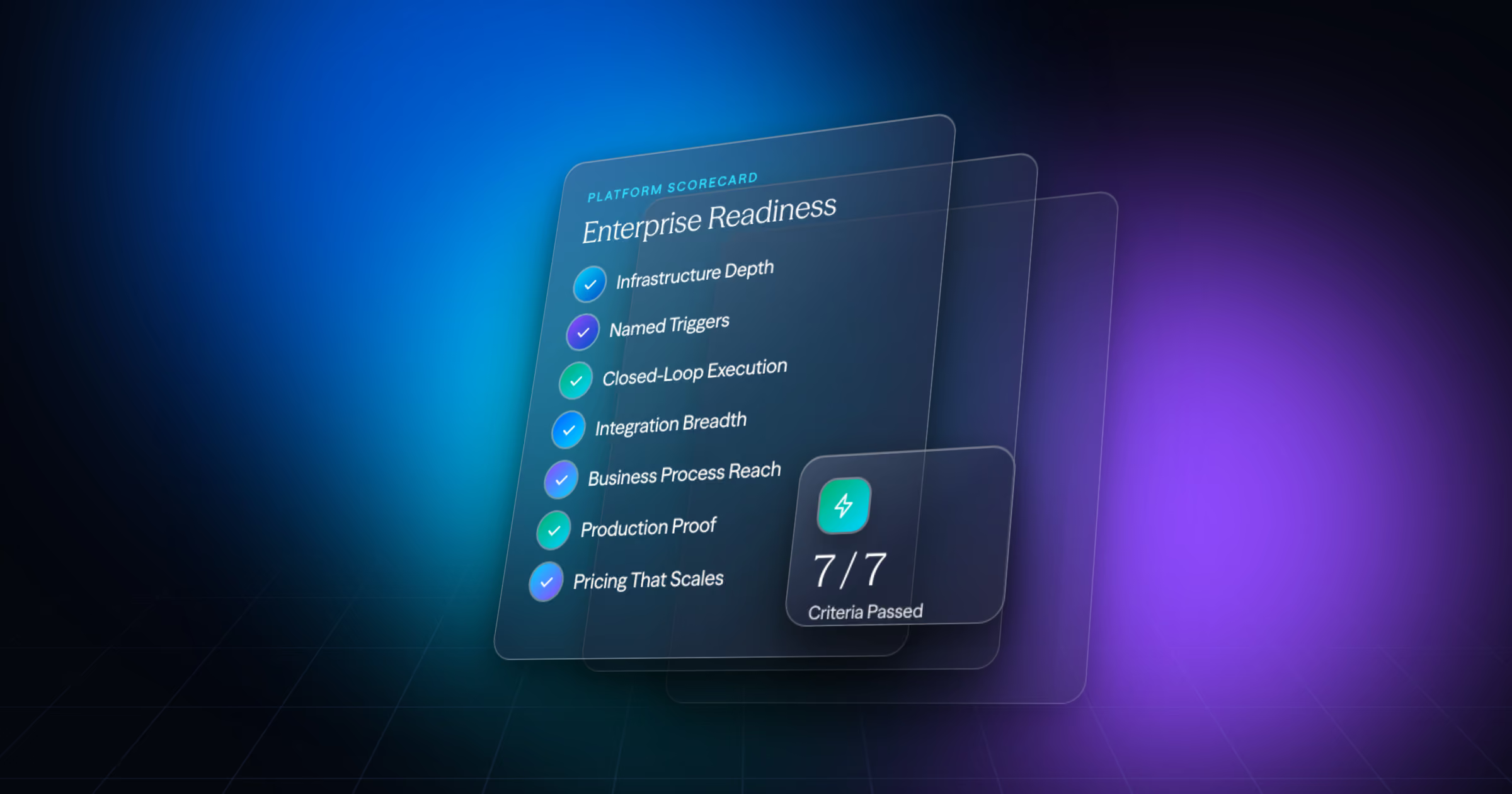
To choose automation that scales enterprise-wide, evaluate each enterprise IT automation platform against seven criteria: infrastructure depth across every hypervisor and cloud you run, native triggers, closed-loop execution, integration breadth, business process automation on the same engine, proven production volume, and pricing that stays predictable as usage grows. A platform that meets all seven can grow from a single team's first use case into automation across infrastructure, network, security, and business operations without a re-platforming project.
This guide explains what to assess for each criterion, why it matters at enterprise scale, and how to score vendors consistently. It was written by Resolve, an enterprise IT automation and orchestration platform founded in 2012, for IT and operations leaders running a platform evaluation.
The 7 Criteria at a Glance
- Infrastructure depth across every hypervisor and cloud in your estate
- Native triggers, including chat, alerts, tools, system events, and schedules
- Closed-loop execution that detects, decides, acts, and verifies in a single run
- Integration breadth across ITSM, identity, network, cloud, and security
- Business process automation on the same engine as infrastructure automation
- Proven production volume from customers operating at enterprise scale
- Pricing that stays predictable as automation volume grows
TL;DR? Download the Guide: How to Choose Automation That Scales
What Does It Mean for Automation to Scale Enterprise-Wide?
An enterprise IT automation platform automates and orchestrates workflows across infrastructure, network, security, and business systems under centralized governance. Automation scales enterprise-wide when a single platform runs workflows for every team that depends on IT, at production volume, under consistent governance. Infrastructure, network, security, and business teams build on shared integrations, shared workflow logic, and one audit trail, so each new use case reuses what already exists and ships faster than the one before it.
Most automation programs start with one high-value workflow, such as VM provisioning or firewall rule changes. The platform decisions made at that stage determine whether the hundredth workflow is as fast to deliver as the tenth. Teams that outgrow a point tool usually hit one of three ceilings: the tool supports only part of the infrastructure estate, it connects to only one system of record, or its pricing climbs faster than the value it delivers.
7 Criteria for Choosing an Enterprise IT Automation Platform
1. Infrastructure Depth Across Your Whole Estate
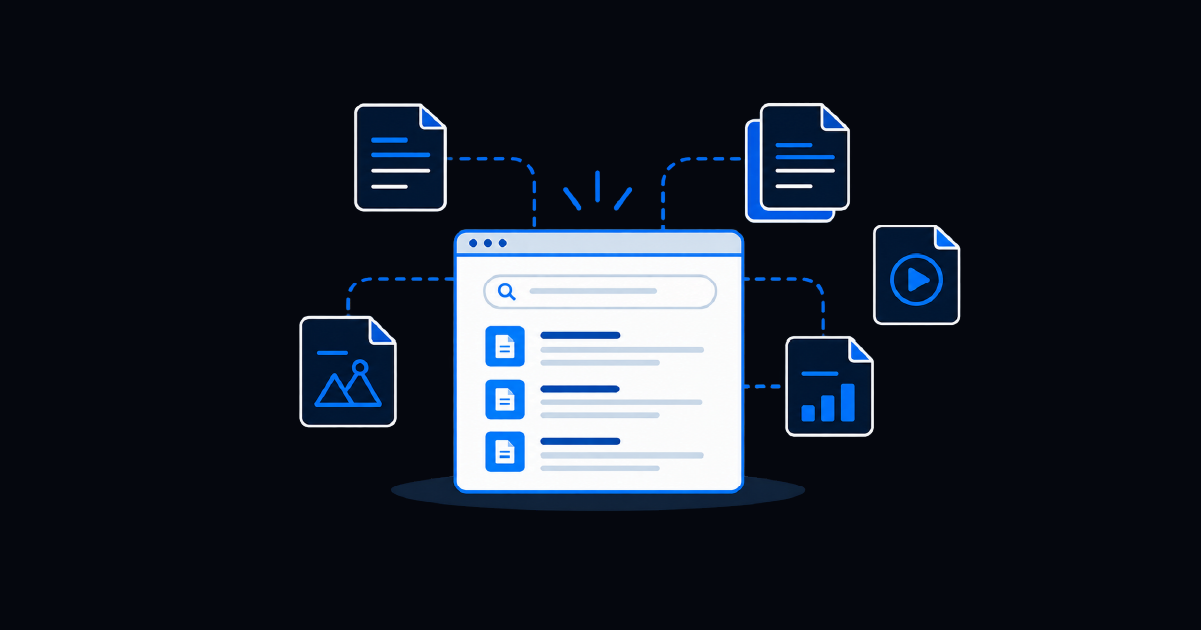
An enterprise IT automation platform should automate provisioning, patching, configuration, and remediation across every hypervisor, private cloud, public cloud, and edge location you operate. Check native support for each environment in your estate today, along with the platforms you may adopt after your next licensing renewal.
Why it matters at scale: Hypervisor and cloud strategies shift with licensing changes, acquisitions, and cost pressure. When infrastructure automation is tied to a single vendor's stack, every platform change turns into a migration project for your workflows as well. A vendor-agnostic automation layer keeps workflows portable as the estate underneath them changes.
How to score it: Full marks if the platform automates every hypervisor and cloud in your estate with native connectors and no custom builds.
2. Triggers You Can Name
Identify exactly what can start a workflow. At enterprise scale, work arrives from many directions: a chat request from an employee, a monitoring alert, a call from another tool, a system event, or a schedule. Every trigger type a platform supports natively becomes a direct path from the moment work appears to the moment it is resolved.
Why it matters at scale: When automation can only start from a single entry point, such as a ticket, a queue forms between the event and the fix. Native triggers let workflows start at machine speed from wherever the signal originates, which keeps resolution times consistent as volume grows.
How to score it: Full marks if chat, alerts, tools, system events, and schedules can all start a workflow with zero custom code.
3. Closed-Loop Execution
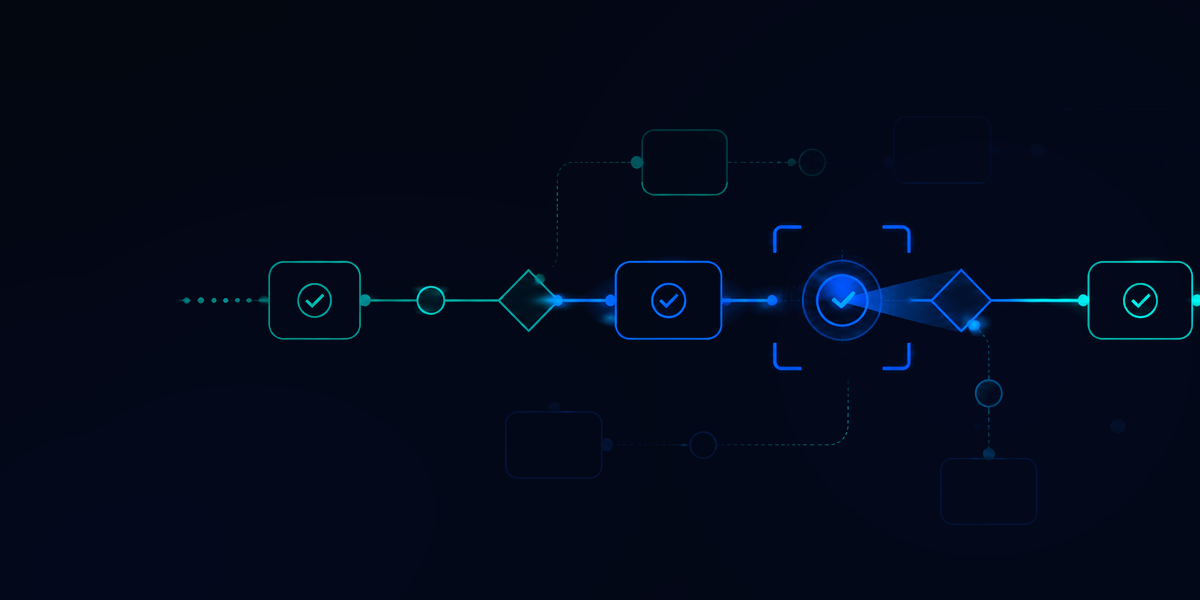
Closed-loop execution means a single workflow run detects an issue, decides on the right action, executes it, and verifies the result. Evaluate whether workflows confirm their own outcome, for example by re-checking disk capacity after expanding a volume, and whether every step is recorded.
Why it matters at scale: Automation that stops after executing a step leaves verification and closure as separate work, which limits how far it can scale. Closed-loop workflows deliver consistent outcomes at high volume and give operations teams a complete record of what happened and why. Deterministic execution, where every action runs through a defined and auditable workflow, makes closed-loop automation safe to run against production infrastructure.
How to score it: Full marks if a single workflow confirms its own fix and records every step for audit.
4. Integration Breadth
Automation reaches as far as its integrations allow. Assess prebuilt connectors across ITSM, identity, network, cloud, security, and collaboration tools, plus a straightforward way to call any REST API the vendor has yet to package.
Why it matters at scale: A platform built around one system of record reaches its limit the first time network, security, or business teams want to automate. Broad integration coverage lets every team build on the same automation foundation and keeps tool sprawl under control as adoption spreads.
How to score it: Full marks if the platform reaches ITSM, identity, network, cloud, and security tools, plus any REST API.
5. Business Process Automation on the Same Engine
The engine that runs infrastructure automation should also run business process automation, including employee onboarding, access requests, purchase approvals, change approvals, and other cross-department workflows that touch IT.
Why it matters at scale: Running IT automation, workflow automation, and business process automation on one platform gives enterprise operations a single governance model, a single audit trail, and one place to measure results. It also lets one workflow span departments, so a new hire request can create accounts, grant access, provision hardware, and route budget approval in a single run.
How to score it: Full marks if one workflow runs across IT, HR, and finance under a single governance model.
6. Proof at Production Volume
Look for evidence from customers operating at your scale. Production volume, measured in automations completed per day and the share of operational work that runs fully automated, is the clearest signal that a platform will hold up as adoption grows.
Why it matters at scale: Production metrics show how a platform performs under sustained load, across many teams, over long periods of time, which are the conditions every enterprise rollout eventually reaches.
How to score it: Full marks if its customers run six-figure daily automation volumes in production.
7. Pricing That Rewards Scale
Model what the platform will cost when automation volume doubles and triples. Per-run, per-workflow, per-token, and AI add-on pricing models tie cost directly to usage, which turns every successful use case into a new budget conversation.
Why it matters at scale: Predictable pricing lets teams expand automation as fast as results justify. Flat platform pricing with AI capabilities included removes any incentive to ration automation once it starts delivering value.
How to score it: Full marks if your cost stays predictable as automation volume grows.
Enterprise IT Automation Platform Scorecard
Use this scorecard to compare every enterprise IT automation platform on your shortlist against the same bar. A platform that earns full marks on all seven criteria is built to scale across enterprise operations.
| Criterion | What to Verify | Full Marks If |
|---|---|---|
| Infrastructure depth | Native automation for every hypervisor, private cloud, public cloud, and edge environment you run | Full coverage with native connectors and no custom builds |
| Named triggers | Which events can start a workflow: chat, alerts, tools, system events, schedules | All five start workflows with zero custom code |
| Closed-loop execution | Whether one run can detect, decide, act, and verify | Workflows confirm their own fix and log every step |
| Integration breadth | Connectors for ITSM, identity, network, cloud, and security, plus REST API access | Every category covered, plus any REST API |
| Business process automation | Whether cross-department workflows run on the same engine as infrastructure automation | One workflow spans IT, HR, and finance under one governance model |
| Production proof | Customer automation volume and share of work fully automated | Six-figure daily automation volumes in production |
| Pricing | Cost at 2x and 3x current automation volume | Cost stays predictable as volume grows |
Mistakes to Avoid When Choosing Automation That Scales
- Selecting for a single use case. A tool chosen to solve one workflow well often stalls when the next team arrives with different systems, triggers, and approval paths.
- Evaluating against today's infrastructure only. Hypervisor and cloud strategies change after renewals and acquisitions, so test coverage for the platforms you may run in two years.
- Treating integrations as a checklist item. Confirm connectors work for the actions you need to automate, and confirm a clear path to any REST API without professional services.
- Splitting IT and business process automation across separate tools. Separate engines create separate governance models, separate audit trails, and duplicated integration work.
- Skipping the cost curve. Price the platform at two and three times your planned volume before you sign, since usage-based models compound quickly once automation succeeds.
How Resolve Scores as an Enterprise IT Automation Platform
Resolve is an enterprise IT automation and orchestration platform that runs infrastructure automation, network automation, security workflows, and business process automation on a single engine. Here is how it maps to each criterion:
- Infrastructure depth: Resolve is vendor agnostic across the major hypervisors and clouds, with infrastructure use cases that include VM provisioning and configuration, firewall changes, and disaster recovery.
- Named triggers: Resolve workflows start from chat, alerts, tools, systems, and schedules, so automation begins wherever work originates.
- Closed-loop execution: Resolve runs deterministic execution, meaning every action flows through a defined, auditable workflow that verifies its own result.
- Integration breadth: Resolve integrates with everything, including prebuilt connectors such as ServiceNow and RSA Authentication Manager, plus any REST API.
- Business process automation: The same Resolve engine runs cross-department workflows for IT, HR, finance, and operations under one governance model.
- Production proof: One global telecom runs more than 200,000 closed-loop network automations on Resolve every day. Another global telecom has 90% of its L1 NOC operations fully automated. Syniverse eliminated 100% of its overtime, and BCX achieved 99% faster request resolution.
- Pricing: Resolve is flat priced, with all AI building and conversational capabilities included and no per-token or AI add-on billing.
The right enterprise IT automation platform turns your first workflow into a foundation every team can build on. Score each vendor against all seven criteria, and choose the one that will still fit when automation is running across your entire operation.
Ready to have a discussion with Resolve? Book a Demo today.
Frequently Asked Questions
How do you choose automation that scales enterprise-wide?
Choose an enterprise IT automation platform that covers your full infrastructure estate, starts workflows from native triggers, executes and verifies work in a closed loop, integrates across ITSM, identity, network, cloud, and security, runs business processes on the same engine, proves its scale with production customer volume, and keeps pricing predictable as usage grows.
What is an enterprise IT automation platform?
An enterprise IT automation platform is software that automates and orchestrates workflows across infrastructure, network, security, and business systems at enterprise scale. It connects to the tools an organization already runs, starts workflows from events and requests, executes actions, and verifies outcomes under centralized governance.
What is the difference between IT automation and IT orchestration?
IT automation executes individual tasks, such as restarting a service or provisioning a virtual machine. IT orchestration coordinates many automated tasks across multiple systems into an end-to-end workflow with logic, approvals, and verification. Enterprise IT automation platforms combine both capabilities.
What is closed-loop automation?
Closed-loop automation is a workflow that detects an issue, decides on an action, executes the fix, and verifies the result in a single run. It produces consistent outcomes at high volume and leaves a complete audit record of every step.
Can one platform handle infrastructure automation and business process automation?
Yes. Enterprise IT automation platforms such as Resolve run infrastructure automation, workflow automation, and business process automation on the same engine, which gives enterprise operations one governance model and lets a single workflow span IT, HR, and finance.
Why does vendor-agnostic infrastructure automation matter?
Licensing changes, acquisitions, and cost pressure regularly push enterprises to reconsider their hypervisor and cloud strategy. Vendor-agnostic infrastructure automation keeps workflows portable across platforms, so a change to the underlying infrastructure leaves your automation investment intact.
What metrics show that enterprise automation is scaling?
Track automations completed per day, the share of operational work that runs fully automated, mean time to resolution, the number of teams building workflows on the platform, and total tool spend. Growth across these metrics, with steady cost, indicates automation is scaling enterprise-wide.
How should enterprises evaluate IT automation pricing?
Model total cost at two and three times your planned automation volume. Per-run, per-token, and AI add-on billing rise with every successful use case. Flat platform pricing keeps cost predictable as automation expands across teams.