Introducing AgentLab: The Foundation of the Autonomous Service Desk


Overview
Replay now available!
AI has transformed how teams access information, but service desks are still struggling to turn that intelligence into action, especially in today’s fragmented vendor landscape. With dozens of disconnected tools across ITSM, monitoring, identity, and endpoint management, automation remains siloed, and AI copilots are limited to suggestions instead of real outcomes.
IT leaders know that the next step is enabling AI to do more, but building domain-specific agents that can operate safely across real environments has remained out of reach.
If any of this sounds familiar, you're not alone. And there’s a better way forward.
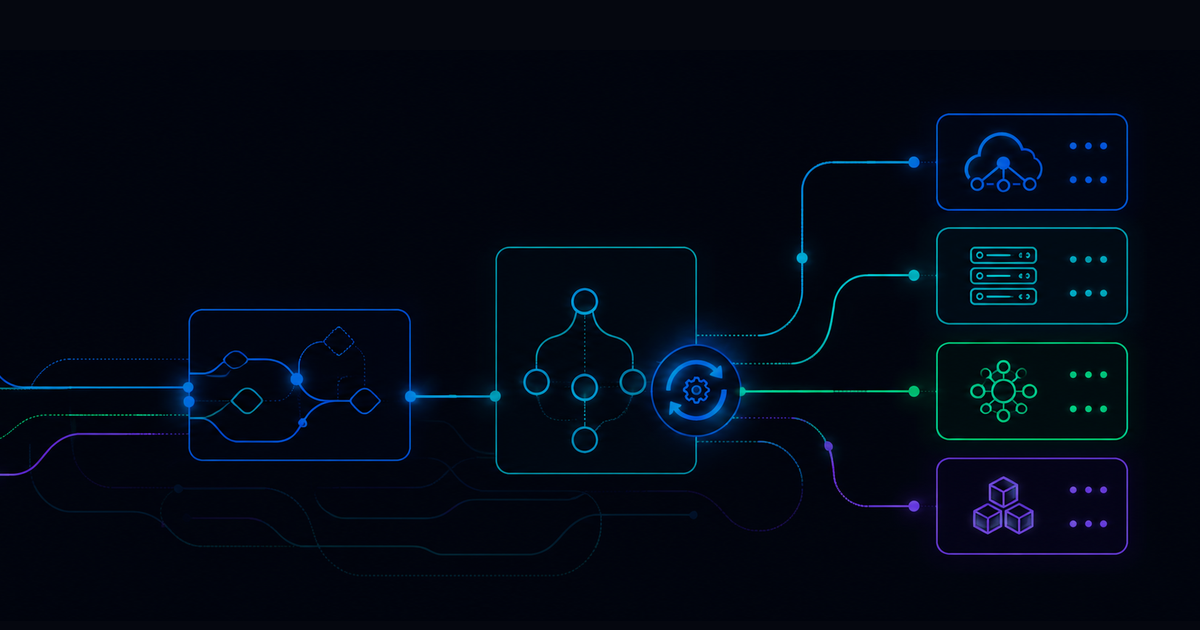
In this webinar, we’ll explore how Resolve’s AgentLab delivers a new model for the autonomous service desk, empowering organizations to design, test, and deploy AI agents that can act autonomously across IT workflows. Instead of adding another layer of complexity, AgentLab brings orchestration and intelligence together, so automation and AI can finally operate as one.
Join Resolve Chief Product Officer Fran Fernandez and Director of Product Marketing Zack Austin for a comprehensive review of:
- Why copilots and traditional automation fail in fragmented IT environments
- How AI agents can orchestrate workflows and drive outcomes in IT
- What building, testing, and deploying agents looks like with AgentLab
Watch the replay to see how leading IT teams are moving toward an autonomous service desk without ripping and replacing their existing stack.
Key Takeaways
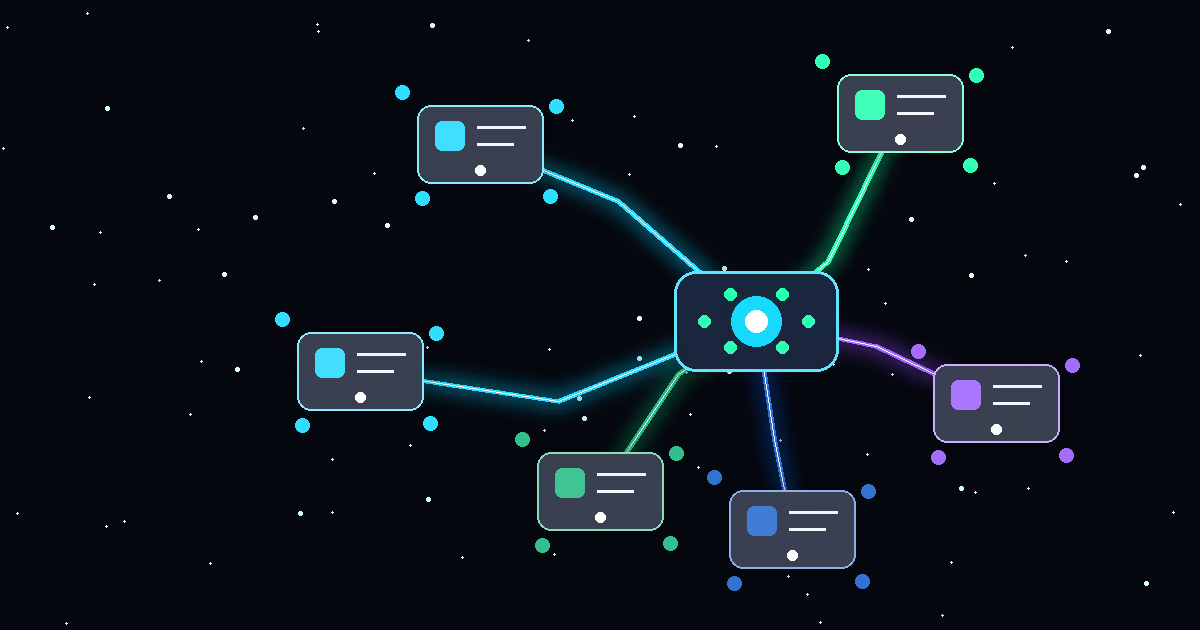
- IT environments are fragmented, and that’s the root problem. Most service desks rely on 4–7 systems per ticket, with 100+ tools across the organization. Even simple requests span multiple platforms which creates inefficiency and slows resolution.
- Copilots and traditional automation both fall short. Copilots suggest but don’t act, while automation executes but breaks with change. Neither can adapt across dynamic, multi-system workflows, leaving humans to finish the job.
- AI agents combine reasoning and execution to drive outcomes. Agents perceive context, decide next steps, and take action across systems. Instead of assisting, they complete tasks end-to-end, like resolving tickets without human intervention.
- The orchestration loop is how autonomous work gets done. Every task follows a loop: sense, decide, act, and learn. This allows agents to continuously improve while delivering real outcomes like resolved tickets and restored services.
- AgentLab makes building and deploying agents practical. With this capability, teams can build, test, and deploy agents in one place using existing workflows and connectors. This lowers the barrier to adoption and accelerates time to value.
FAQs
Q: Can AgentLab support use cases beyond ITSM?
A: Yes! The platform is designed to be domain-agnostic, allowing teams to build agents for IT, HR, security, finance, and more using the same orchestration and connector framework.
Timestamp: 00:52:13 – 00:53:36
Q: When should you use an agent vs. traditional automation?
A: Agents are best for dynamic, multi-step workflows that require reasoning and decision-making. Simpler, repeatable tasks may still be better handled by traditional automation.
Timestamp: 00:53:36 – 00:54:54
Q: How can teams safely test agents before deploying to production?
A: AgentLab enables iterative testing with guardrails, simulation, and controlled rollouts. Teams can start with low-risk actions, validate behavior, and gradually expand scope before full deployment.
Timestamp: 00:56:23 – 00:59:23
.png)
.png)