Why Your Help Desk Knowledge Base Isn’t Reducing Tickets

At a Glance
- Publishing articles is not the same as deflecting tickets. Measure issues resolved before ticket creation.
- Stale content generates tickets directly and teaches employees not to trust self-service the next time.
- Search based on IT terminology misses employees who describe symptoms in everyday language.
- Fragmented knowledge and portal-only access add friction precisely when an employee wants the fastest path to help.
- Real-time indexing, intent-based retrieval, in-channel delivery, and outcome measurement turn existing content into a working deflection layer.
The help desk knowledge base has hundreds of articles. Search traffic looks healthy, and employees are reminded to try self-service first. Yet ticket volume barely moves.
That gap appears when a knowledge base is measured as content instead of ticket prevention. Article counts, page views, and searches can rise while the queue remains busy. None proves that an employee received a trustworthy answer before filing a ticket. The answer may be outdated, unfamiliar, buried in the wrong repository, or absent from the channel where the problem occurred.
Why Your Help Desk Knowledge Base Doesn’t Move the Ticket Count
A knowledge article deflects a ticket only when it intervenes between the employee’s problem and the submission form. Article views, searches, chatbot sessions, and tickets closed without an agent describe other outcomes. If an employee reads an article and still submits a ticket, nothing was deflected. If automation closes a ticket after it enters the queue, resolution became cheaper, but volume did not decline.
The cleanest measure is issues resolved before ticket creation. Also track answer acceptance, abandonment, escalation, and tickets created shortly after a knowledge interaction. Resolve’s discussion of why service desk automation may not reduce ticket volume explores the distinction between processing and preventing a ticket.
Stale Content: The Silent Ticket Generator
Stale content creates an immediate failure. A screenshot no longer matches the interface. A menu has moved. A VPN procedure references a retired client. An access policy has changed, but the article still describes the old approval path.
Most employees will not hunt for a newer article. They will try the visible instructions, conclude that self-service failed, and file a ticket. An outdated answer also weakens trust in the entire help desk knowledge base, making future searches less likely.
Staleness compounds because releases, reorganizations, policy changes, and tool migrations move faster than editorial maintenance. Without ownership, review signals, and fast indexing, the knowledge base becomes less dependable even as it grows.
No Intent Matching: When Employees Don’t Search in IT Terms
Knowledge is usually written by people who understand the system. Requests are usually written by people who understand only the symptom.
An article may be titled “Network Connectivity Troubleshooting Guide,” while an employee searches “wifi keeps dropping.” Another may search “my login code never arrives” instead of “multifactor authentication token delivery.” Exact-keyword search expects employees to translate problems into IT’s vocabulary.
That is backwards. Effective retrieval should recognize symptoms, abbreviations, misspellings, natural-language variations, and relevant context. It should connect the employee’s phrasing to the underlying issue without requiring the correct category, product name, or technical term.
Fragmented Sources: Employees Don’t Know Where to Look
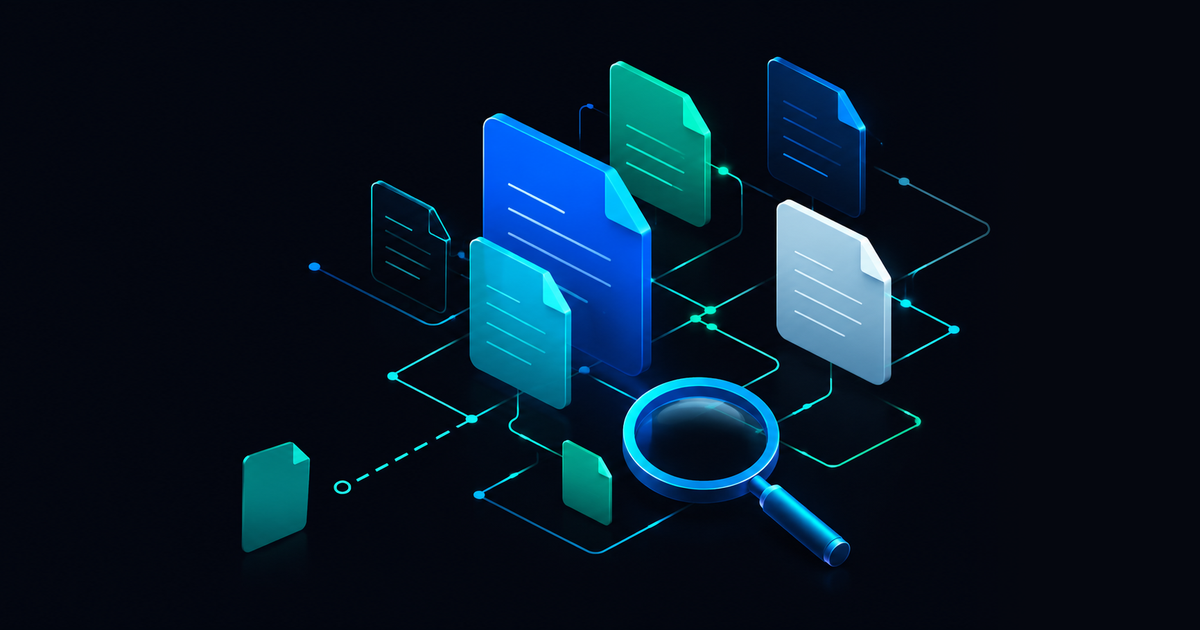
Enterprise knowledge rarely lives in one place. IT may publish in the ITSM knowledge module, while security uses SharePoint, engineering keeps runbooks in Confluence, HR maintains a separate portal, and useful answers remain trapped in resolved tickets or team wikis.
The employee sees a map of repositories rather than a path to an answer. When finding the correct system feels harder than submitting a ticket, the ticket wins. Consolidating every article is rarely realistic; retrieval should span trusted sources while preserving ownership and access controls.
What a Passive, Search-Only KB Gets Wrong
A traditional self service knowledge base waits. The employee must open another destination, authenticate, choose search terms, inspect results, and decide which article is credible. Every step invites abandonment.
This model is weakest when the employee is already asking a colleague in Teams or Slack, composing an email, or beginning a ticket. The knowledge base may have the answer, but it is absent where the decision is being made.
Passive search also treats retrieval as the finish line. A list of possible articles pushes interpretation back to the employee. Useful self-service should identify the intent, provide a source-cited answer, and connect actions such as account unlocks to an approved workflow.
What Actually Moves the Ticket Deflection Needle
Ticket deflection improves when the knowledge experience is designed around interception, not publication. Four capabilities make the largest practical difference.
Keep the Index as Current as the Source
Article governance still matters. Content needs owners, lifecycle rules, and clear authority. Real-time indexing ensures changes in approved sources appear immediately rather than after a scheduled crawl or manual synchronization.
Teams should be able to see the source and update time behind an answer, detect contradictory guidance, and flag content that repeatedly leads to escalation.
Match Intent, Not Just Words
Intent-based retrieval combines the employee’s language with role, department, location, device, and channel context. It retrieves approved content despite the vocabulary gap between employee and author.
Test with real ticket language, not curated prompts. Remove category labels and use vague, incomplete, multilingual, and misspelled requests because those are the cases exact-match search loses.
Deliver the Answer Before the Form
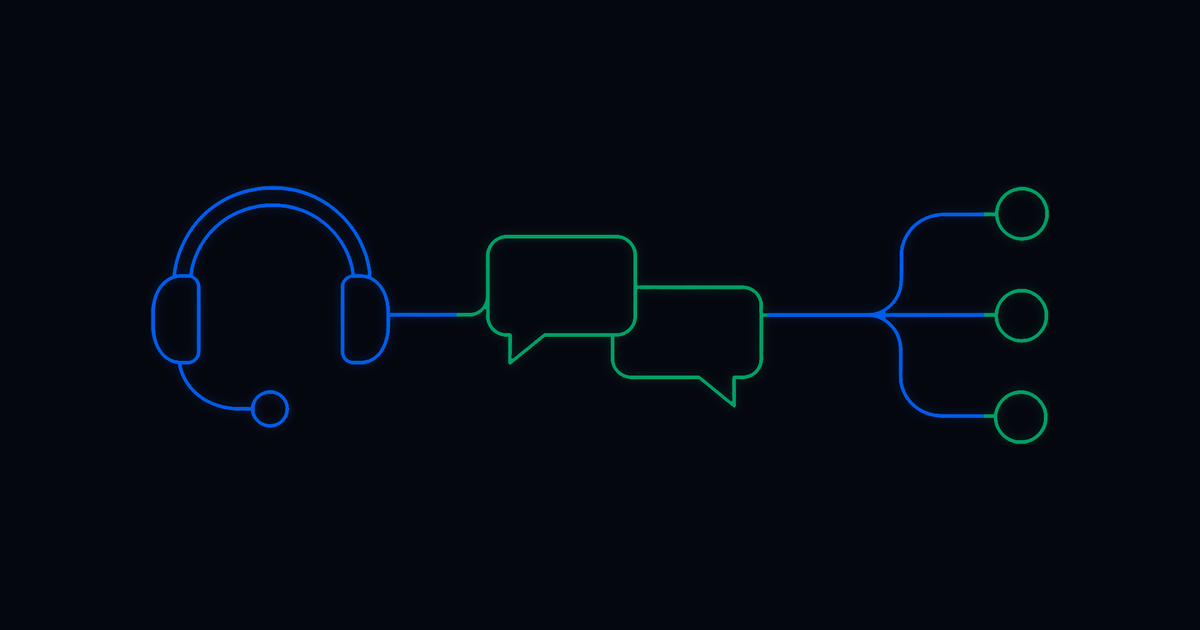
In-channel delivery removes the navigation step. An employee can ask a question where work is already happening and receive the answer in that conversation.
Deflection is a timing problem. An answer delivered after submission may improve resolution, but it cannot reduce ticket count. The intervention must happen upstream.
Measure Resolution, Not Search Activity
Define a deflected request as one resolved without ticket creation or a near-term repeat contact. Segment results by intent, source, channel, and answer confidence.
- Primary outcome: requests resolved before a ticket is created.
- Quality checks: answer acceptance, source citation engagement, repeat contact, and reopened conversations.
- Diagnostic signals: zero-result searches, repeated reformulations, low-confidence answers, stale-source flags, and escalation reasons.
- Content backlog inputs: unanswered intents, conflicting sources, and resolutions captured from service desk agents.
How Resolve’s Knowledge Agent Closes the Gap
Resolve Knowledge Agent is designed as the retrieval and answer layer over content an organization already owns. It searches across knowledge bases, ITSM, HR, SharePoint, Confluence, Workday, file repositories, and other trusted sources rather than requiring a replacement knowledge base or a large reformatting project.
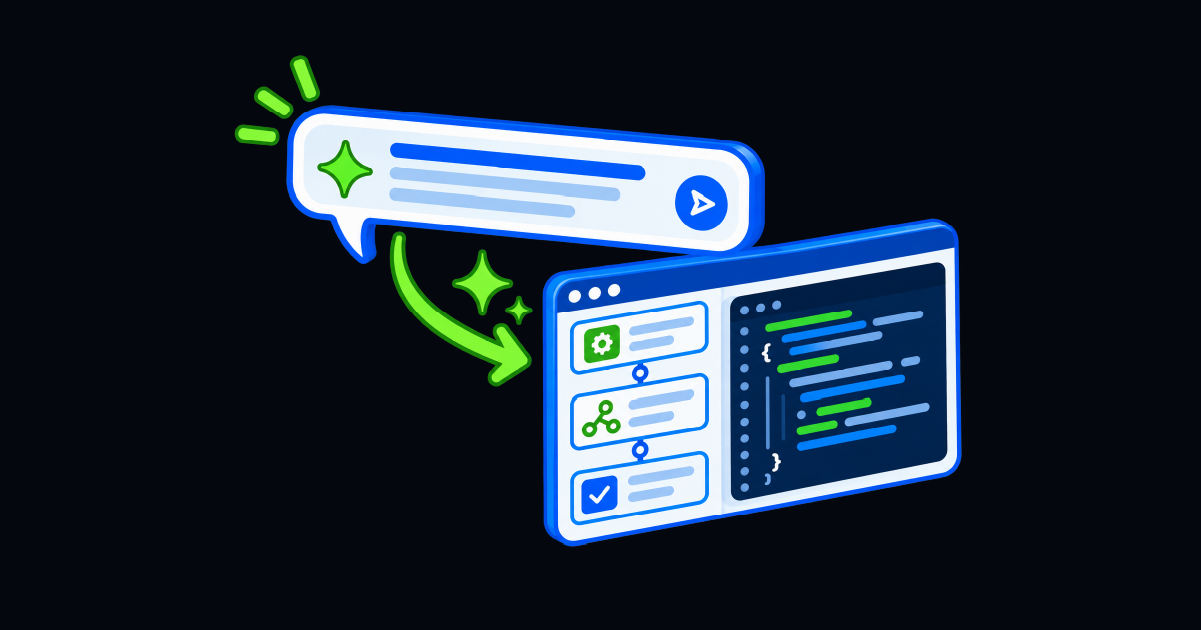
When an employee asks in Teams, Slack, a portal, or email, Knowledge Agent interprets intent, applies contextual signals, uses hybrid keyword and semantic search, and returns a grounded, source-cited answer. Real-time indexing reflects source changes, while permission enforcement limits access.
Resolve reports up to 80% deflection of employee requests with Knowledge Agent. Answers reach employees inside existing channels before a ticket is filed. Interactions also expose content gaps so the service desk can prioritize new or revised knowledge.
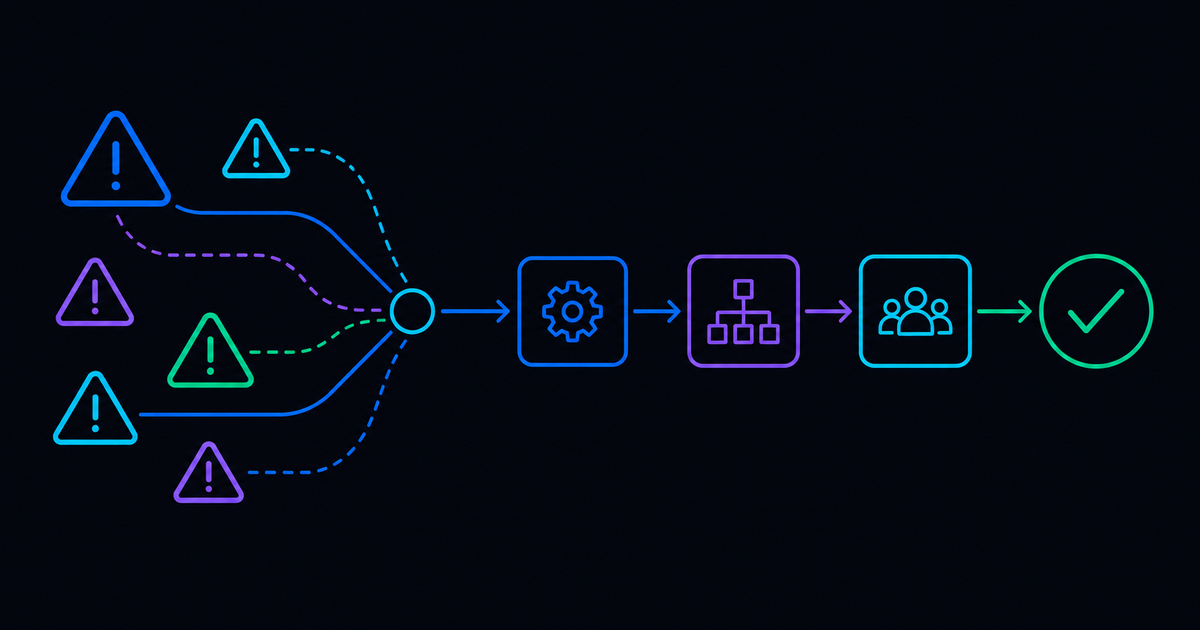
When a request requires action, Knowledge Agent can connect the answer to an approved workflow. When the issue cannot be resolved safely, it can escalate with context intact. The objective is to reserve tickets for work that genuinely needs one.
Turn Existing Help Desk Content Into Fewer Tickets
A help desk knowledge base that does not reduce ticket volume is not necessarily short on content. It may be failing at freshness, intent matching, retrieval across fragmented sources, or delivery at the moment an employee decides whether to submit a request.
The correction is to manage knowledge as an active deflection system. Keep approved sources current, index changes immediately, understand the language employees use, deliver direct answers in their normal channels, and measure whether the issue stayed out of the queue.
The Resolve Knowledge Agent turns existing help desk content into grounded answers before tickets are created.
Frequently Asked Questions
What is a help desk knowledge base?
A help desk knowledge base is a collection of approved articles, procedures, policies, troubleshooting steps, and past resolutions that employees or support agents use to answer IT questions and resolve common issues.
Why isn’t our knowledge base reducing tickets?
Common causes include outdated content, keyword-only search, fragmented repositories, low trust, and requiring employees to visit a separate portal. Each prevents the correct answer from reaching the employee before ticket creation.
What is a self service knowledge base?
A self service knowledge base lets employees find answers and complete common troubleshooting without waiting for a help desk agent. Effective self-service uses current content, understands natural-language intent, and delivers answers in channels employees already use.
How should ticket deflection be measured?
Measure issues resolved before a ticket is created, then check for repeat contacts or tickets submitted shortly afterward. Article views and chatbot sessions are supporting engagement metrics, not proof of deflection by themselves.
Does an AI knowledge agent replace the existing knowledge base?
Not necessarily. A knowledge agent can act as a retrieval and answer layer across existing ITSM, wiki, HR, and document repositories. The source systems retain their ownership and governance while employees receive a unified answer experience.
.png)
.png)